
11 principles of a 12,000-litre dairy farm
The average Israeli cow gives 12,000 L of milk per 305-day lactation: 39 L a day at 3.8% fat and 3.5% protein. That is among the best results in the world, and it comes from a system, not the climate. We bring that system to any country, from cold Voronezh to tropical Honduras.
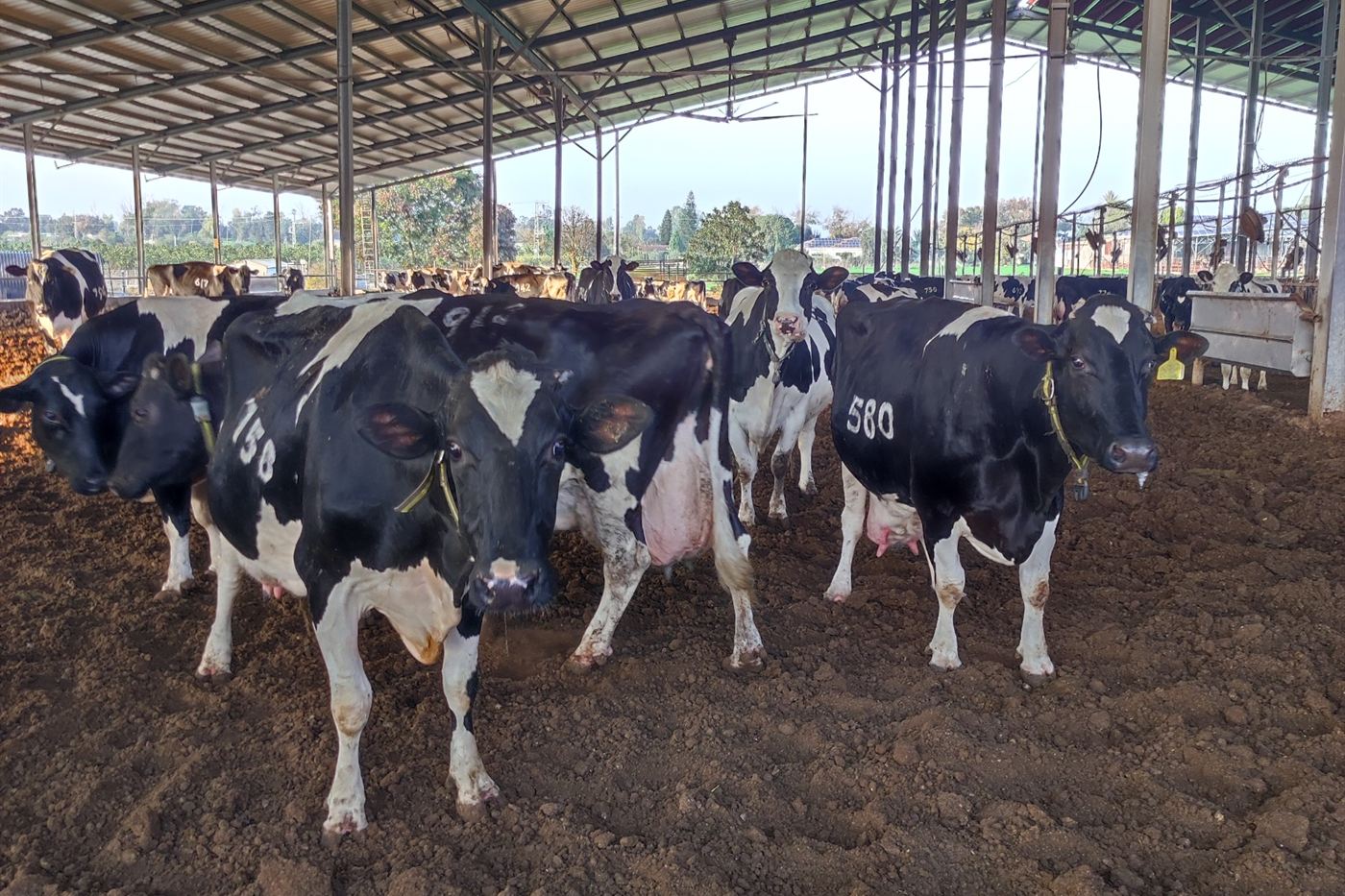
Cow comfort: loose housing
Open, airy barns under a roof where cows move freely. Instead of concrete, a bedding of composted manure that is cultivated daily by tractor and stays dry. The system works through Russian winters too.
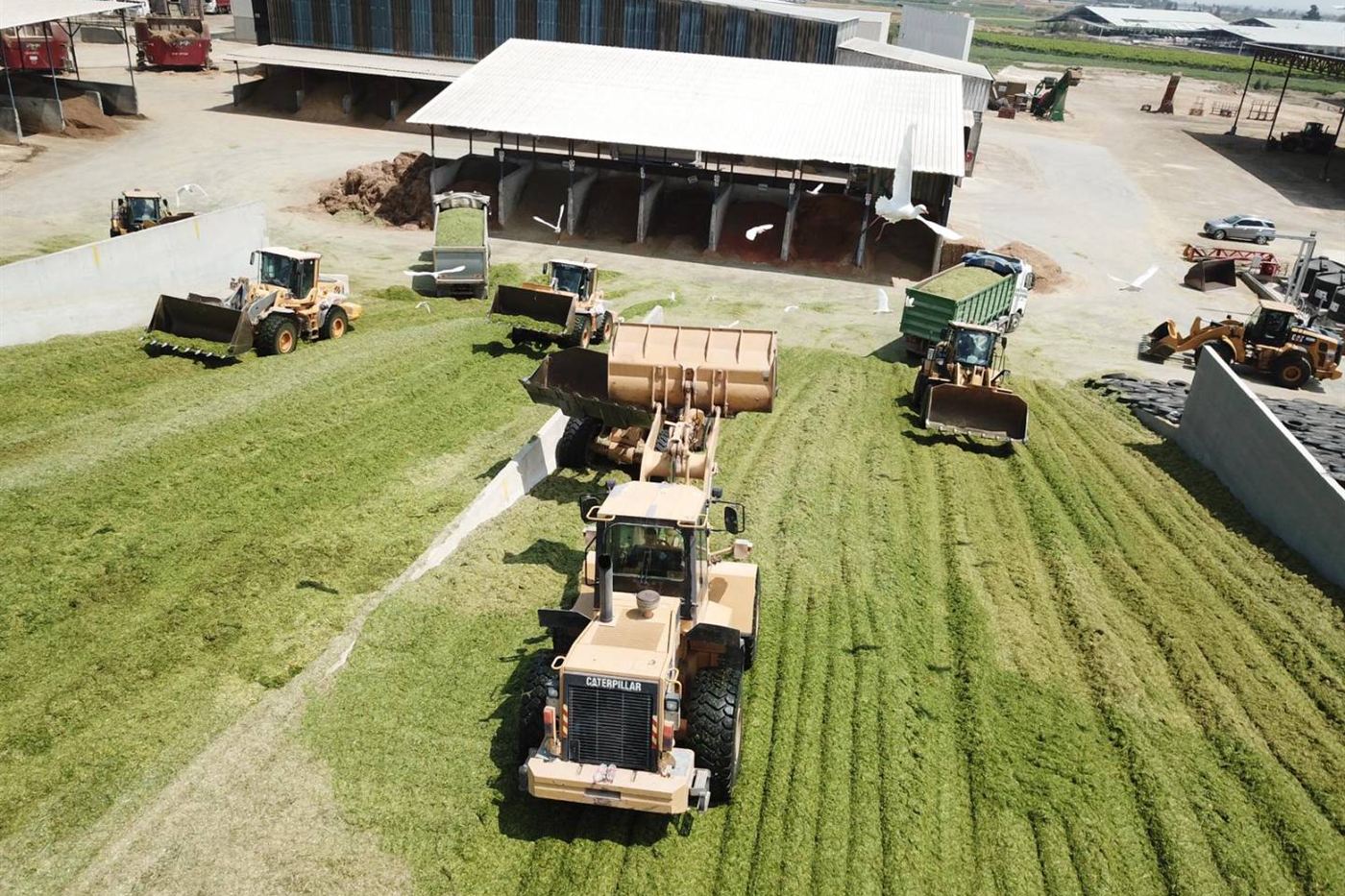
Total mixed ration (TMR)
The feed centre mixes a recipe for each group and delivers it several times a day with a weighing mixer wagon. Every bite contains everything the animal needs.
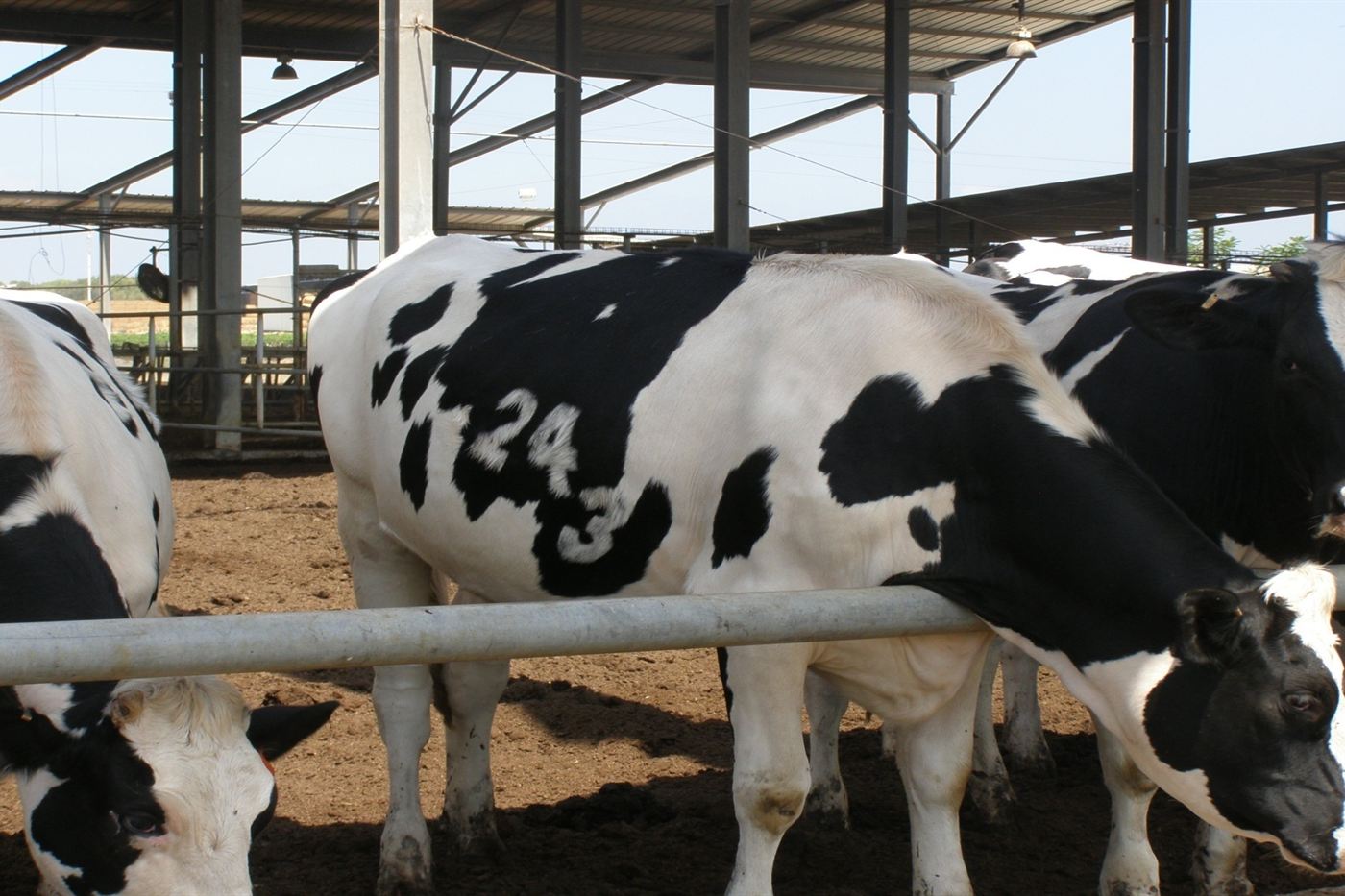
Groups by physiological stage
Fresh cows, milking cows, cows before drying off and dry cows are housed separately. Separate housing for in-calf heifers, heifers, calves and a hospital pen.
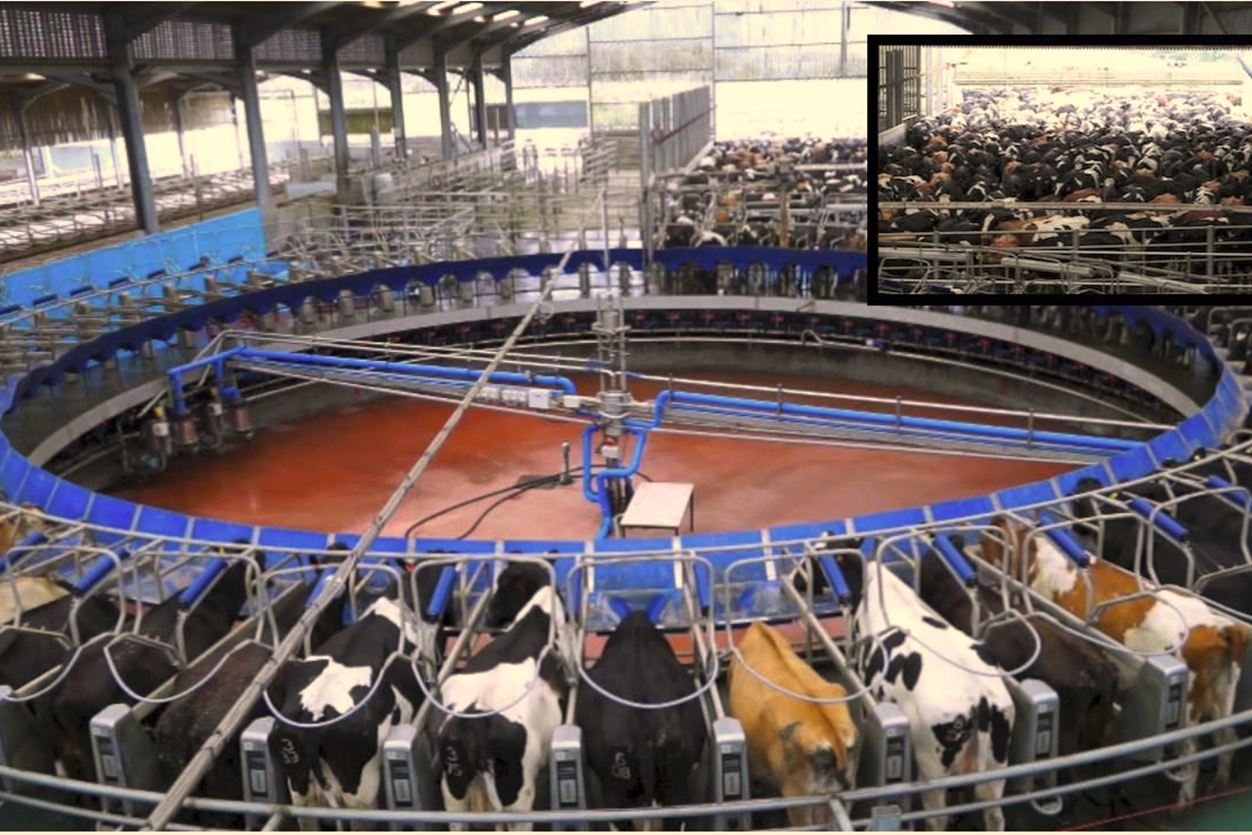
Three milkings a day
Rotary or parallel parlour, holding area and a milk room with cooling tanks (for example 2 × 60,000 L) that connect directly to the dairy plant's system.
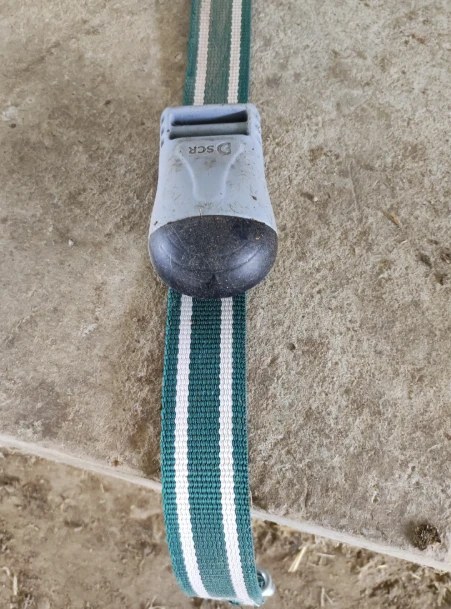
Digital herd management
Every cow wears a sensor for activity, rumination and automatic heat detection. Israeli software shows each cow's milk yield, milk quality, weight and health in real time.
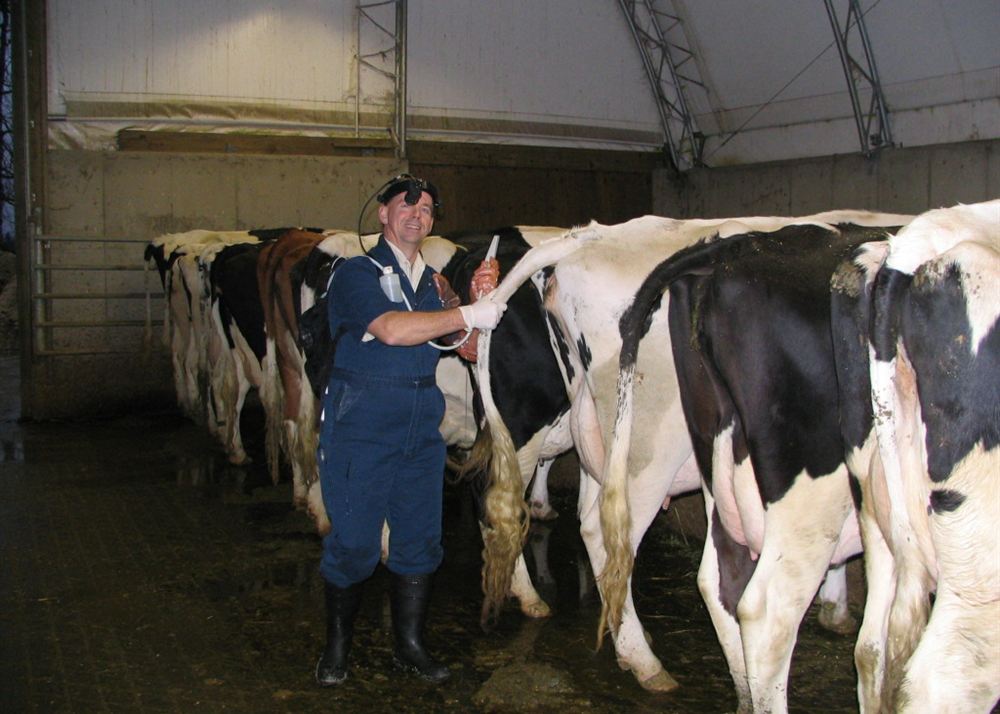
Genetics and reproduction
Holstein breed. In-calf heifers from Europe and Canada selected on health, genetics and parent records. Insemination based on Israeli genetic analysis, sexed semen, embryo transfer. After that the herd grows from its own calves.
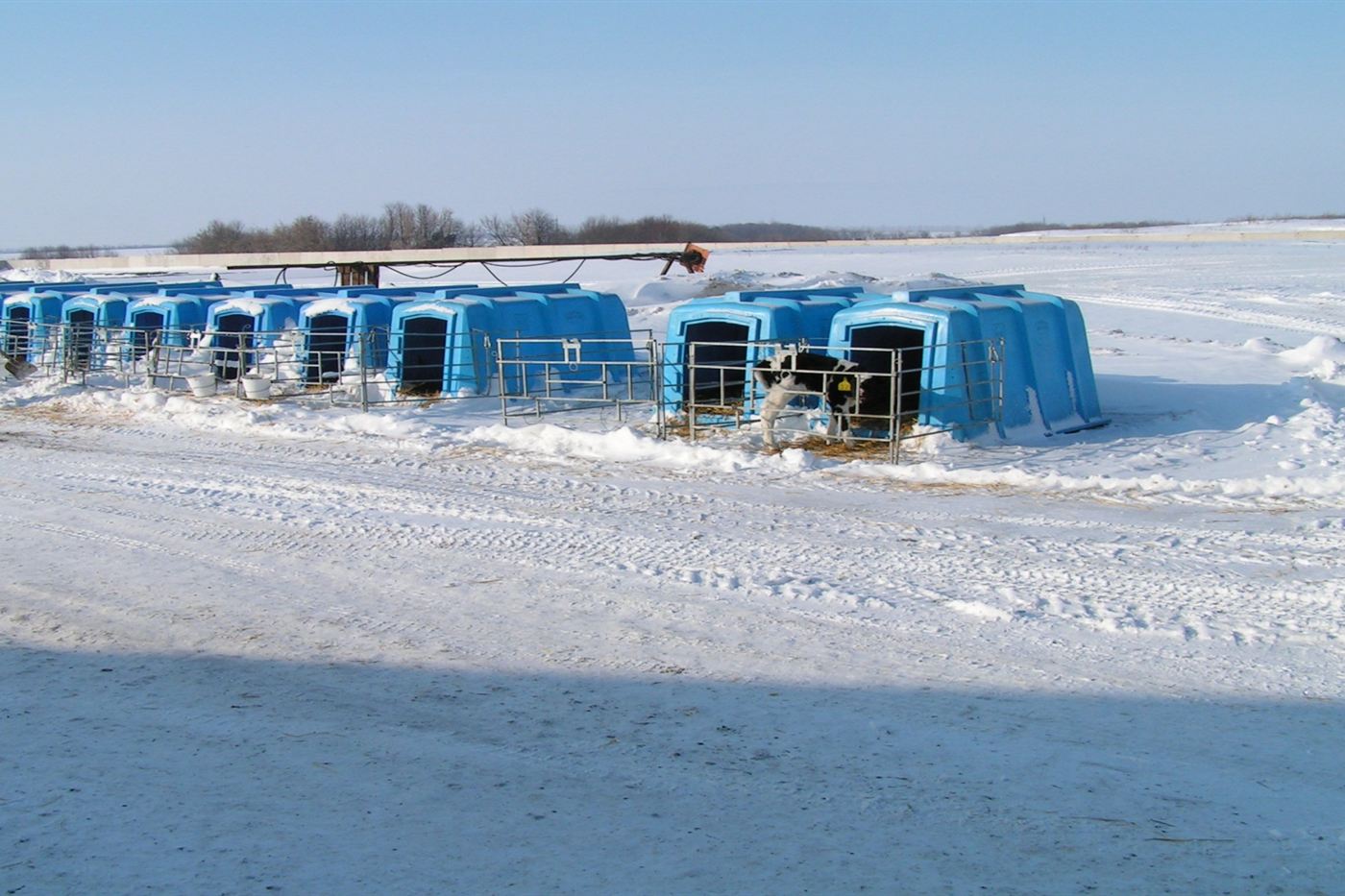
Calf rearing
Individual hutches from the first days of life. A healthy heifer today is a high-yielding cow two years from now.
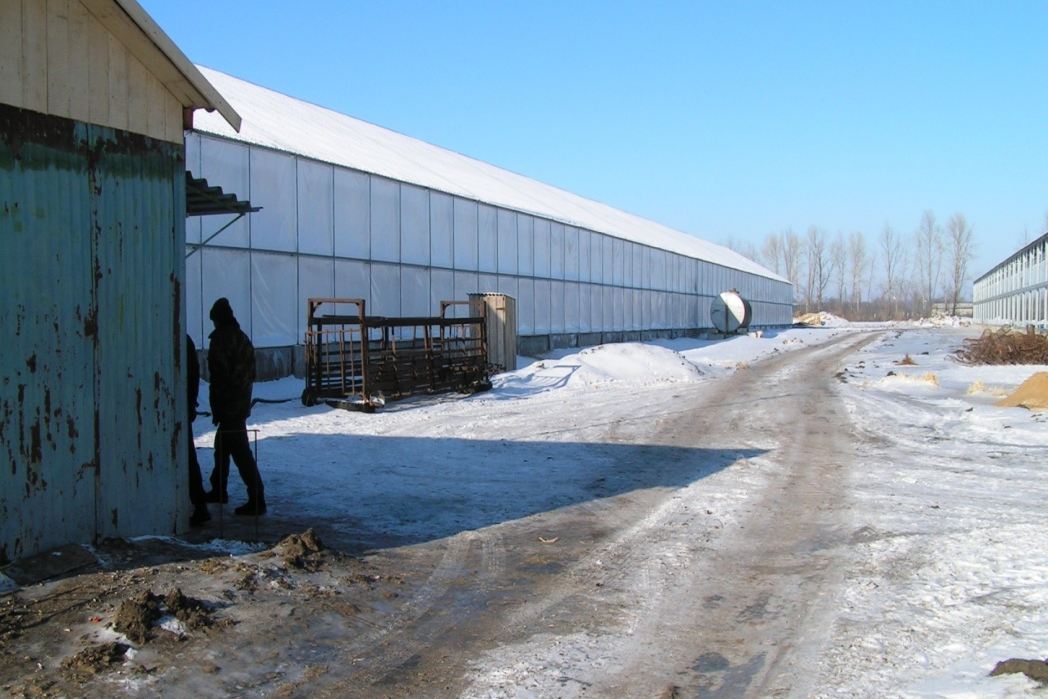
Veterinary care and biosecurity
An in-house veterinary team, vaccination and prevention protocols, control of reproduction and feeding. The farm is fenced and access is controlled.
Management and people
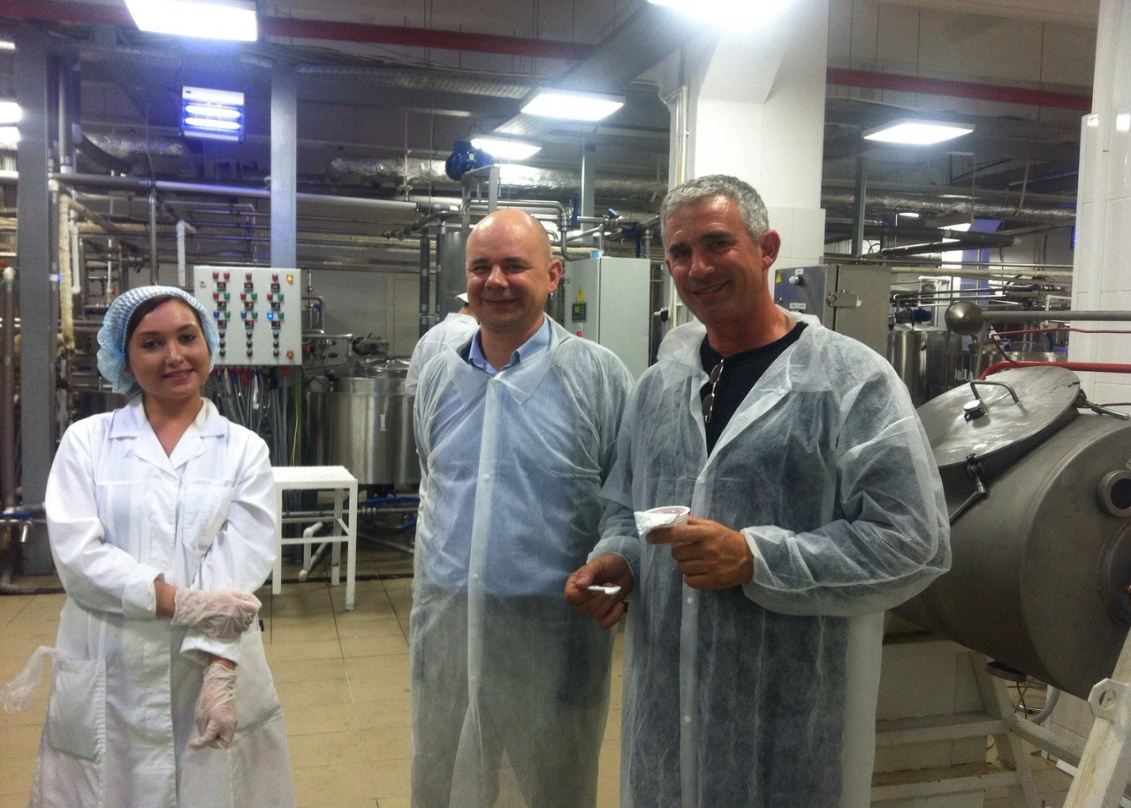
Constant optimisation of feed, capital, equipment and labour against economic indicators. Local staff are trained by Israeli specialists.
Own energy
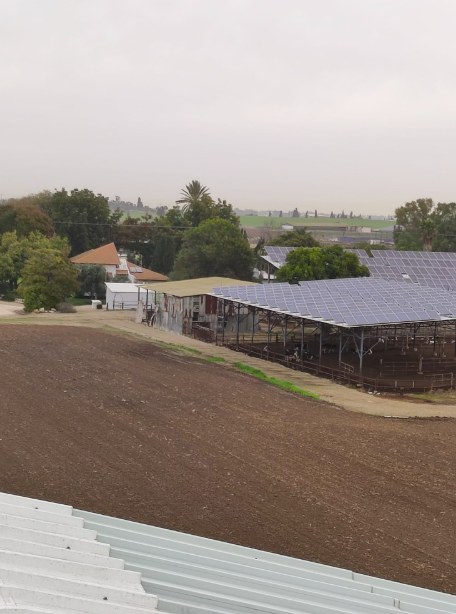
Solar panels on the barn roofs generate the farm's electricity and cut costs. They already run on our farm in Israel, and we design solar generation into every farm project abroad from day one.
Manure is a resource
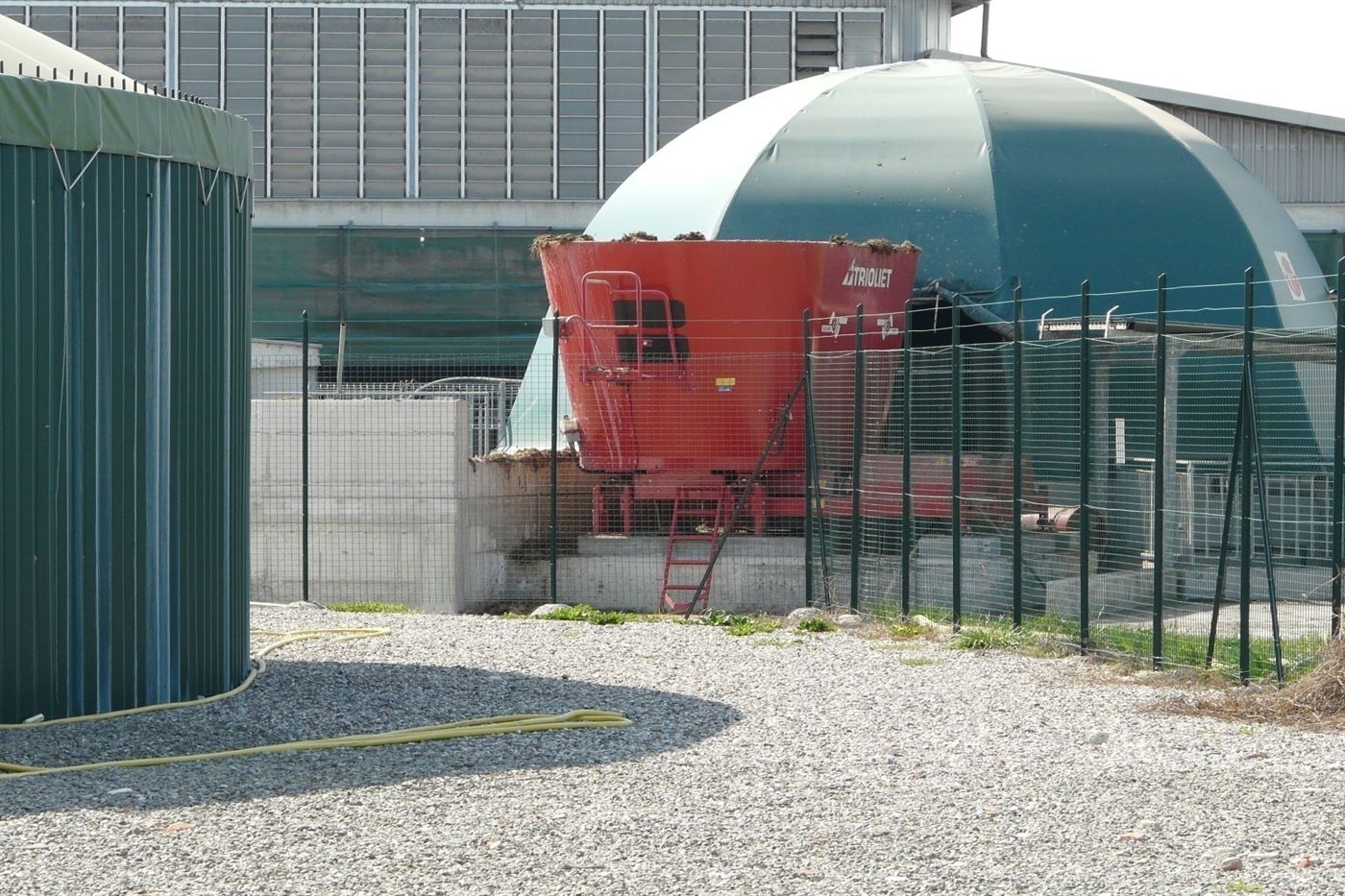
Manure is collected and recycled: biogas generates electricity, and compost goes back to the fields in place of chemical fertiliser. That cuts costs and closes the field-to-product loop.
A 2,000-cow farm in numbers
Guide figures for early planning. Exact values are set in the feasibility study for each site and climate.
| Farm site | about 30 ha, plus about 15 ha for the feed centre |
| Land for feed | from 5,000 ha |
| Water | about 1,000 m³ a day |
| Power | about 2,000 kW |
| Lactation | 305 days + 60 dry days |
| Milk | 18,000 t a year, 50 t a day |
| Beef | about 500 t a year from 1,000 bulls |
Want a farm like this?
We can start with an audit of your site or your current operation.